
The Rise of AI Video: Why Static Content is Losing the Engagement War in 2026
The Video-First Mandate
Look at the analytics on any major social platform in 2026—Instagram, X, LinkedIn, or TikTok. The data paints an undeniable picture: static text and basic images are experiencing a massive decline in organic reach, while native video content is being aggressively prioritized by every single algorithm. We have fully entered the "Video-First Economy." But for years, high-quality video production was the ultimate bottleneck for marketing teams. It required expensive cameras, lighting setups, professional editors, and days of post-production. Today, AI video generation has shattered that barrier, turning a $10,000 production shoot into a 10-second prompt.
From Text to Hyper-Realism
The leap in AI video technology over the last 24 months has been staggering. We have moved from blurry, morphing GIF-like generations to hyper-realistic, 4K cinematic footage with perfect physics and lighting. This means that a solo marketer sitting in a coffee shop can generate a commercial-grade product video that rivals a Fortune 500 brand's output.
When you combine this visual capability with a unified AI workspace, the workflow becomes frictionless. You use the AI Copywriter to generate a compelling 30-second script using the AIDA framework. You then feed that script into a native video generation engine. What used to take a week of storyboarding, shooting, and editing now happens before your morning coffee gets cold.
The Micro-Video Strategy for B2B
It is a common misconception that B2B SaaS companies don't need video. In reality, B2B buyers are just consumers sitting at a desk. They crave dynamic, engaging content just as much as a D2C shopper. The winning strategy for 2026 is "Micro-Video Education."
Stop juggling 5 tools. Let Sophie do it.
Generate a week of on-brand posts across 12+ platforms from a single prompt — free for 14 days.
Try SophieFlow freeInstead of publishing a massive whitepaper, agencies are using AI to generate 15-second cinematic clips that explain a single, complex concept. For example, a cybersecurity firm can generate a dynamic, 3D visualization of a server breach, overlaid with AI-generated voiceover explaining how their software stops it. These micro-videos boast a 400% higher completion rate than standard text posts on LinkedIn, driving massive inbound pipeline.
Repurposing is the New Production
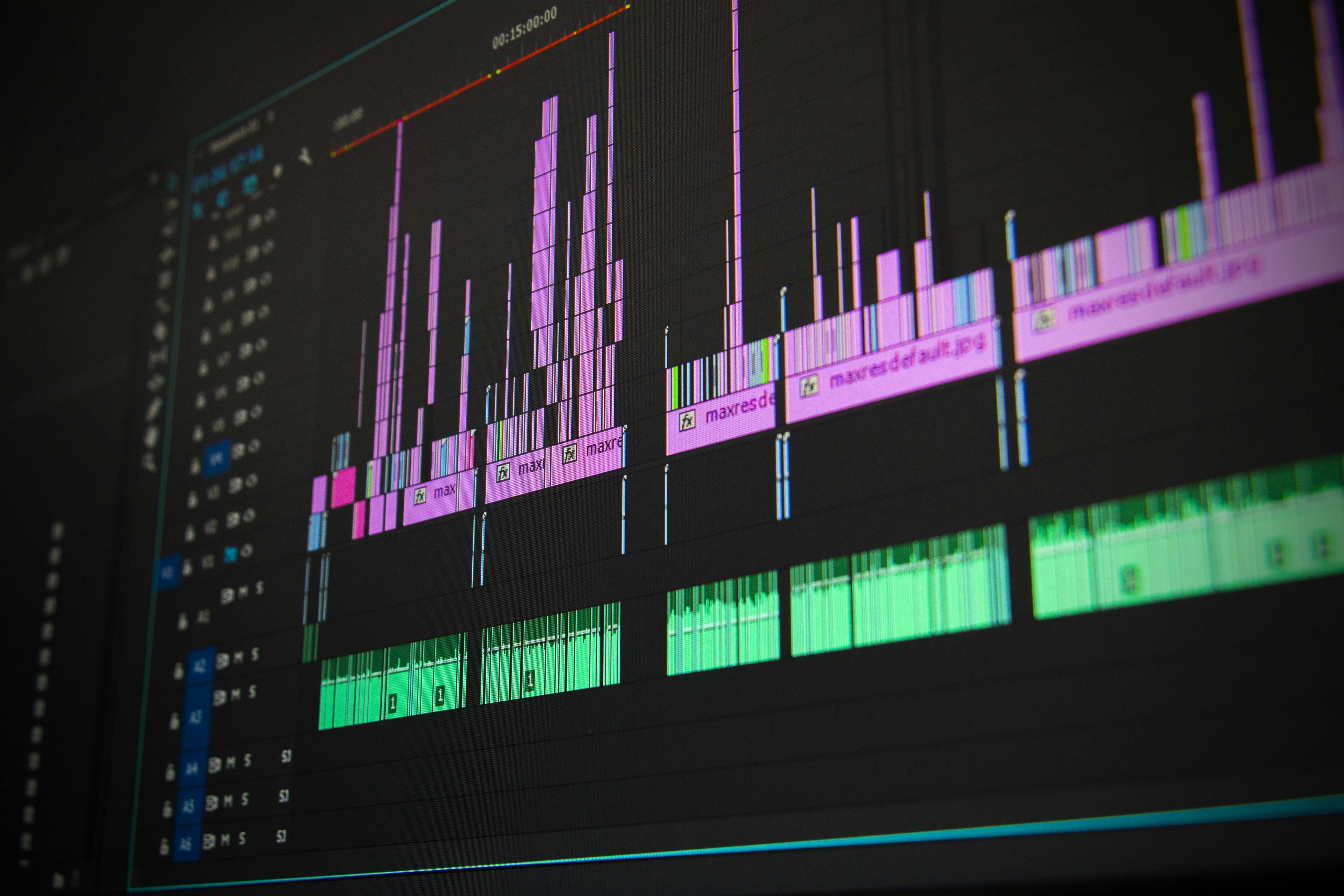
The true power of AI video lies in repurposing. A unified workspace allows you to take one core asset—say, a 10-minute podcast interview with your CEO—and feed it into the engine. The AI automatically identifies the most engaging 30-second clips, generates dynamic captions, resizes the video for 9:16 (Shorts/Reels) and 16:9 (YouTube), and queues them in your social scheduler.
You aren't creating net-new video every day; you are creating one hero piece of content a month and letting the AI distribute it endlessly. This "Hero-to-Micro" pipeline is the exact strategy used by the fastest-growing personal brands and SaaS companies today.
Conclusion: Adapt or Fade to Black
Static content will always have a place, but video is the undisputed king of engagement. By integrating AI video workflows into your agency's standard operating procedures, you lower your production costs to near zero while drastically increasing your output quality. The tools to become a one-person media empire are finally here. It is time to press record.
