
How to Turn One B2B Podcast Episode into 30 Days of Content with AI
The Podcast ROI Problem
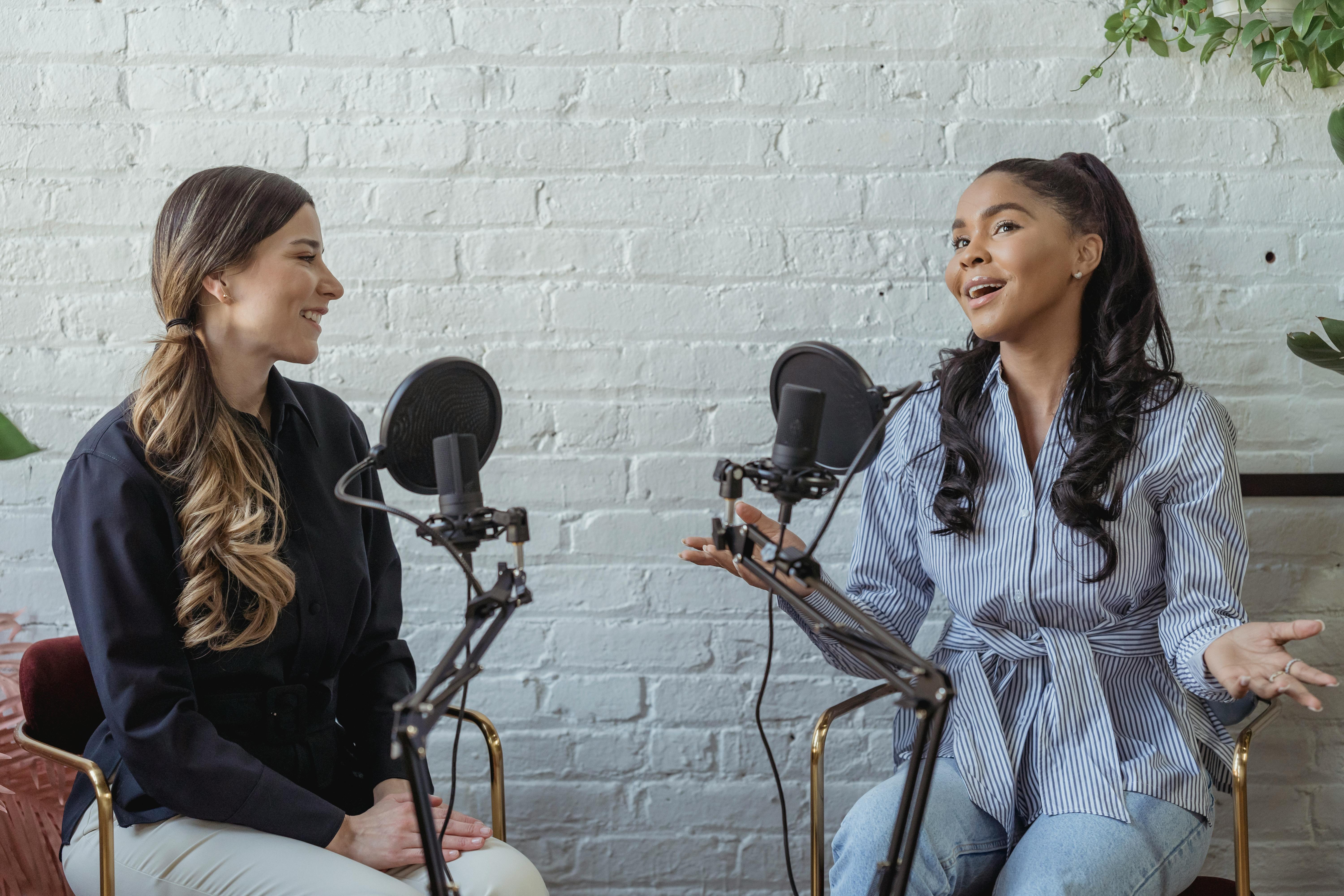
In 2026, almost every B2B SaaS company and marketing agency has a podcast. Founders spend thousands of dollars on Shure SM7B microphones, professional lighting, and audio engineers to record brilliant, 60-minute conversations with industry leaders. And then, what happens? They upload it to Spotify, post one generic "New Episode Out Now!" link on LinkedIn, and the content effectively dies. The ROI on that hour of deep, strategic conversation is criminally low because the distribution model is broken. To win, you must stop viewing a podcast as a final product and start viewing it as raw material for your AI content engine.
The Hero-to-Micro Content Pipeline
The most efficient marketing teams operate on the "Hero-to-Micro" pipeline. The podcast episode is your Hero content. It is dense, long-form, and packed with original insights. Your goal is to shatter that Hero content into 30 pieces of Micro content: X (Twitter) threads, LinkedIn carousels, SEO blog posts, and newsletter snippets. Doing this manually used to take a dedicated social media manager an entire week. With SophieFlow’s unified AI workspace, it takes 15 minutes.
Step 1: The Transcript Injection
The workflow begins with the raw text. You take the automated transcript of your 60-minute interview and drop it directly into SophieFlow's Advanced AI Copywriter. But you don't just ask the AI to "summarize" it. You use deep context engineering.
You prompt the engine: "Analyze this transcript. Identify the three most controversial opinions the guest shared, the two most actionable frameworks they discussed, and one personal anecdote. Using our Brand Voice Memory, generate the following: Three polarizing LinkedIn text posts, two educational 8-slide carousels, and a 1,500-word SEO-optimized blog post expanding on the frameworks."
Stop juggling 5 tools. Let Sophie do it.
Generate a week of on-brand posts across 12+ platforms from a single prompt — free for 14 days.
Try SophieFlow freeStep 2: Formatting for the Feed
Because SophieFlow understands native platform formats, the output isn't a messy block of text. The LinkedIn carousels are formatted slide-by-slide with perfect pacing. The X threads are broken down into 280-character chunks with compelling visual hooks. The SEO blog post is generated with proper H2 and H3 tags, naturally integrating long-tail keywords relevant to the podcast topic.
Step 3: Visual Pairing and Scheduling
Text needs visual accompaniment. Without breaking your workflow, you jump into the Pro Image Studio. You pull a screenshot of the podcast guest, use the AI background remover, and place their headshot onto your branded carousel templates. You generate a high-contrast YouTube thumbnail and a hero image for the blog post.
Finally, you move to the Smart Scheduler. You drag and drop these 30 pieces of micro-content across your visual calendar, spacing them out over the next four weeks. You have just turned one hour of talking into a month of omnipresence.
Conclusion: Maximize Your Intellectual Property
Your founders and guests are generating brilliant intellectual property during these interviews. Do not let it gather dust in an RSS feed. By leveraging a unified AI workspace, you can extract every ounce of value from your audio, dominating search engines and social feeds simultaneously without spending an extra dime on production.
